UNC Greensboro
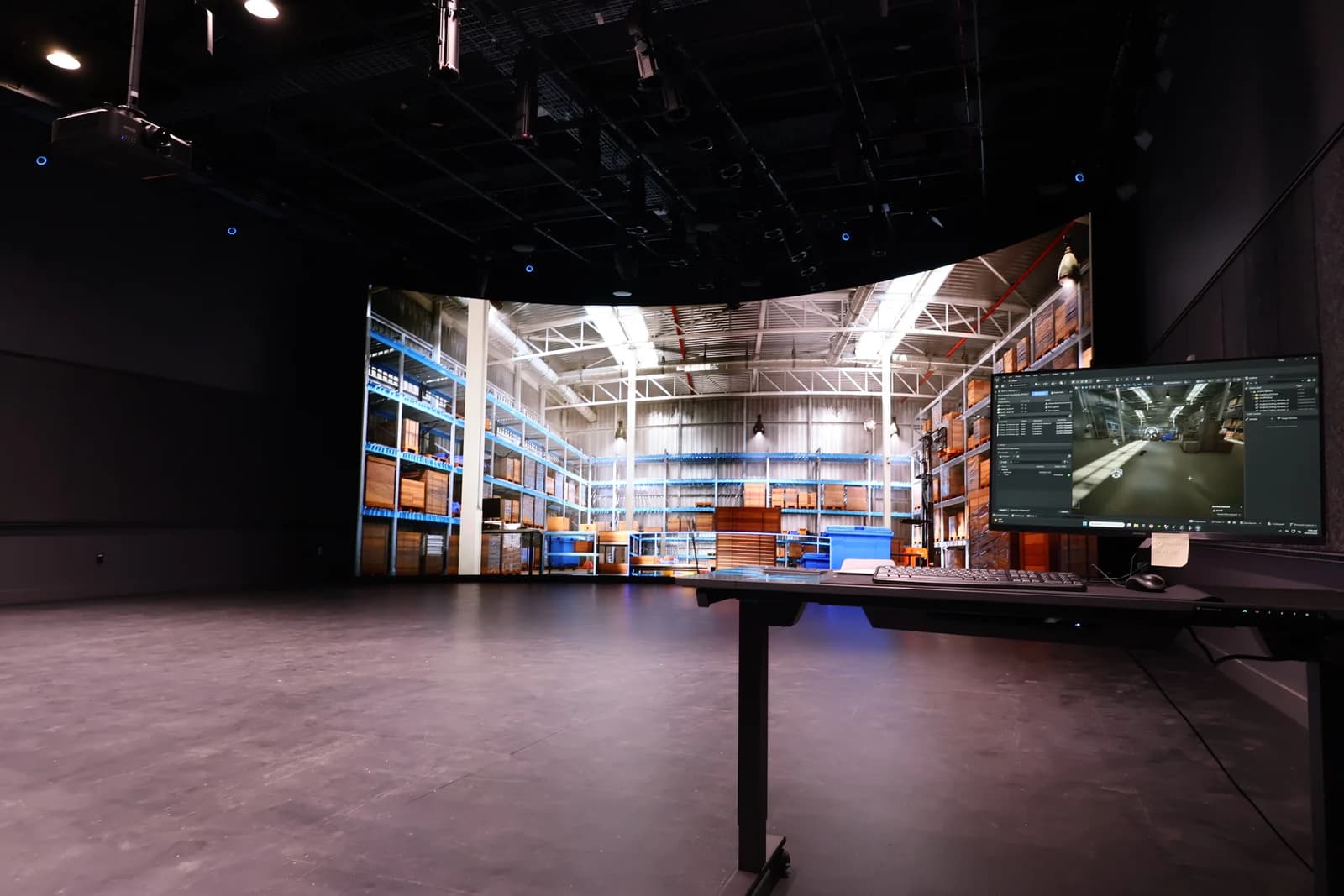
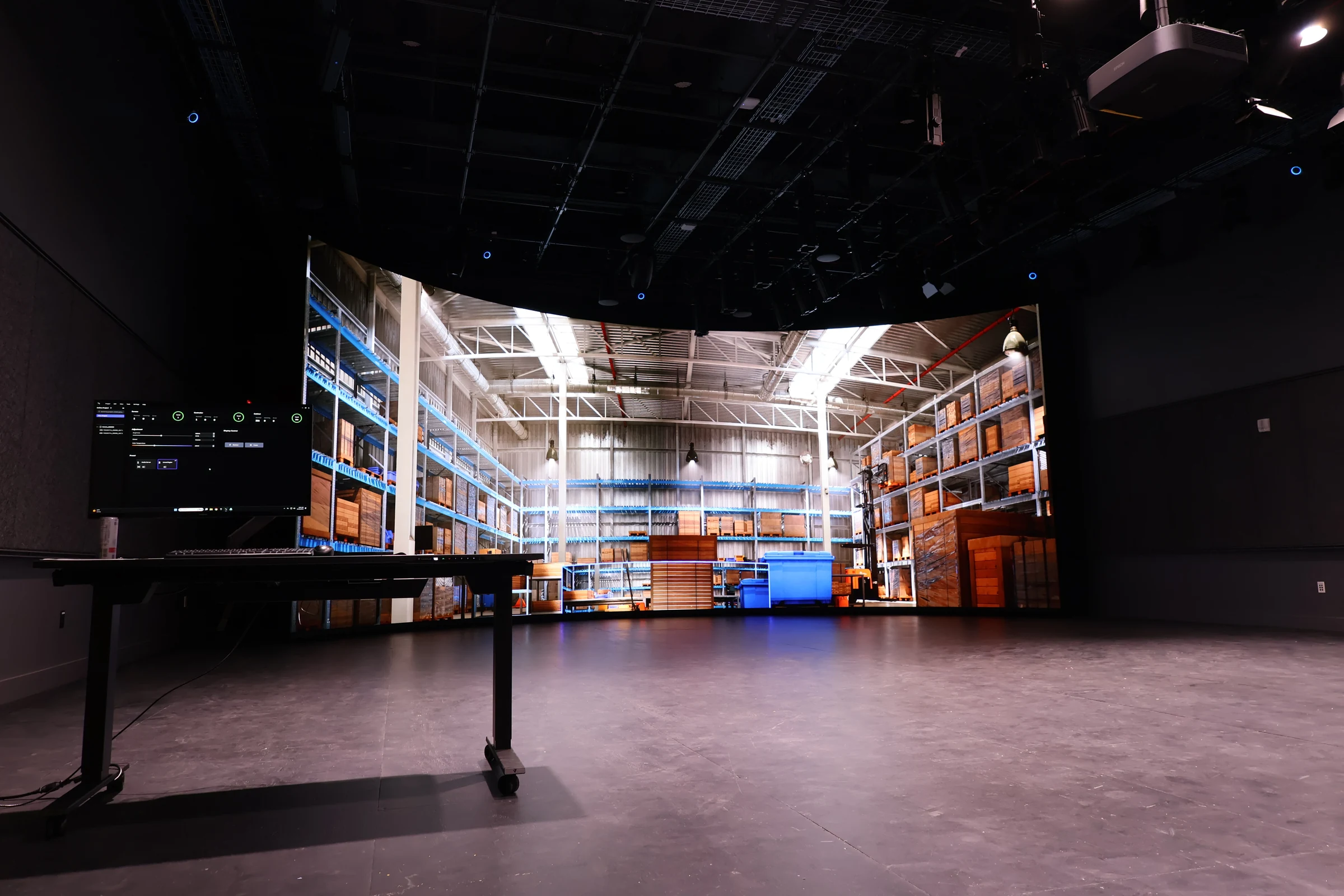
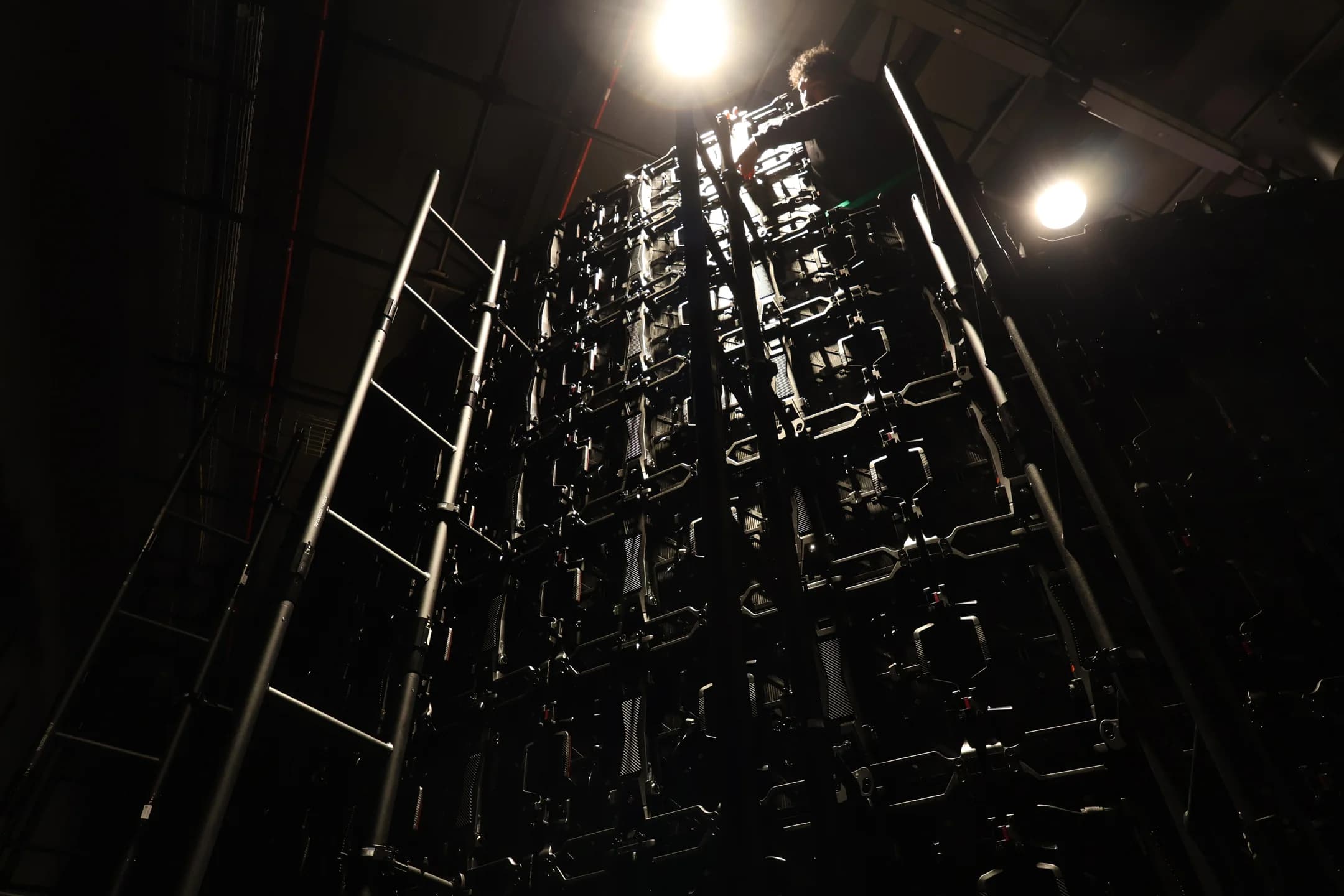
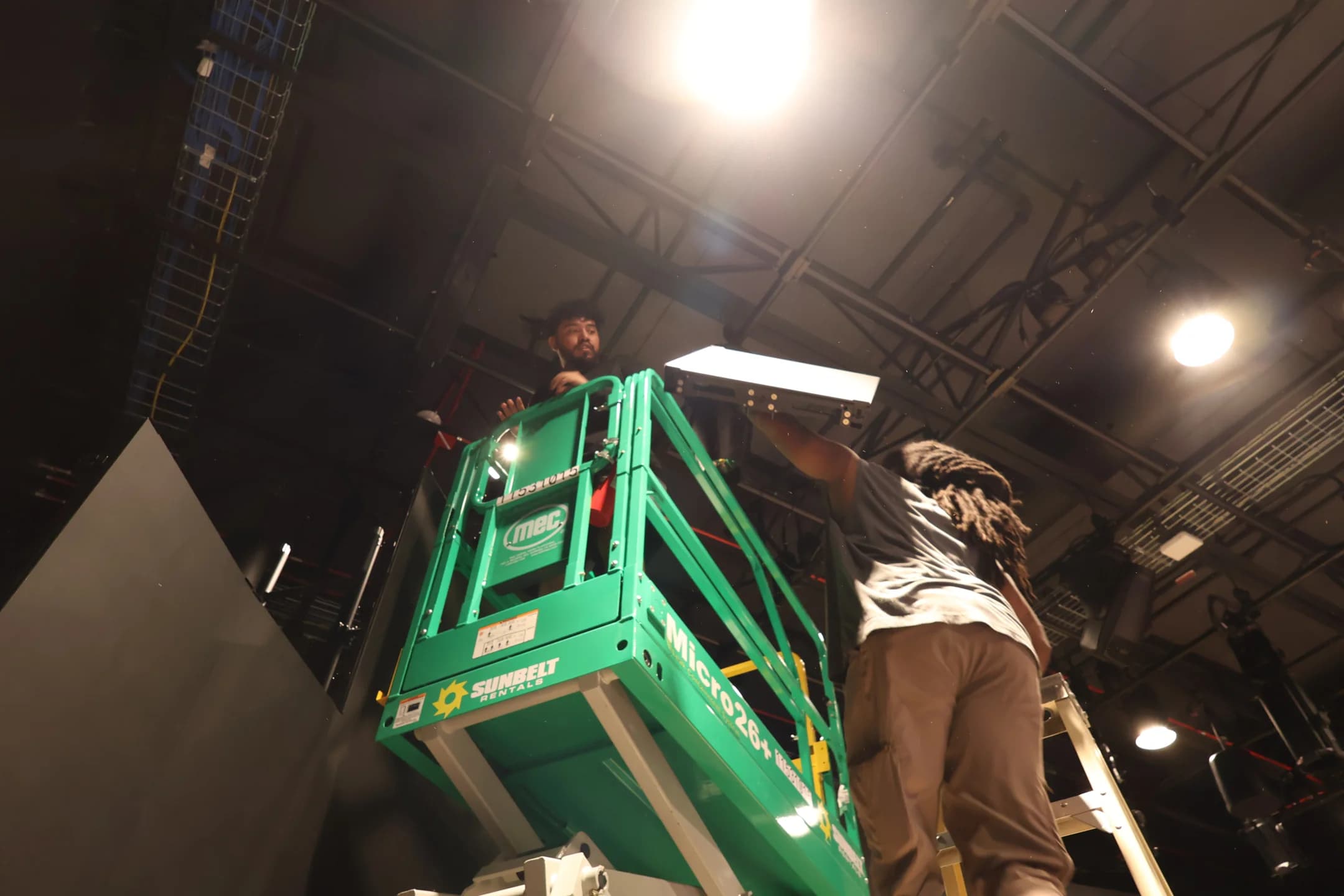
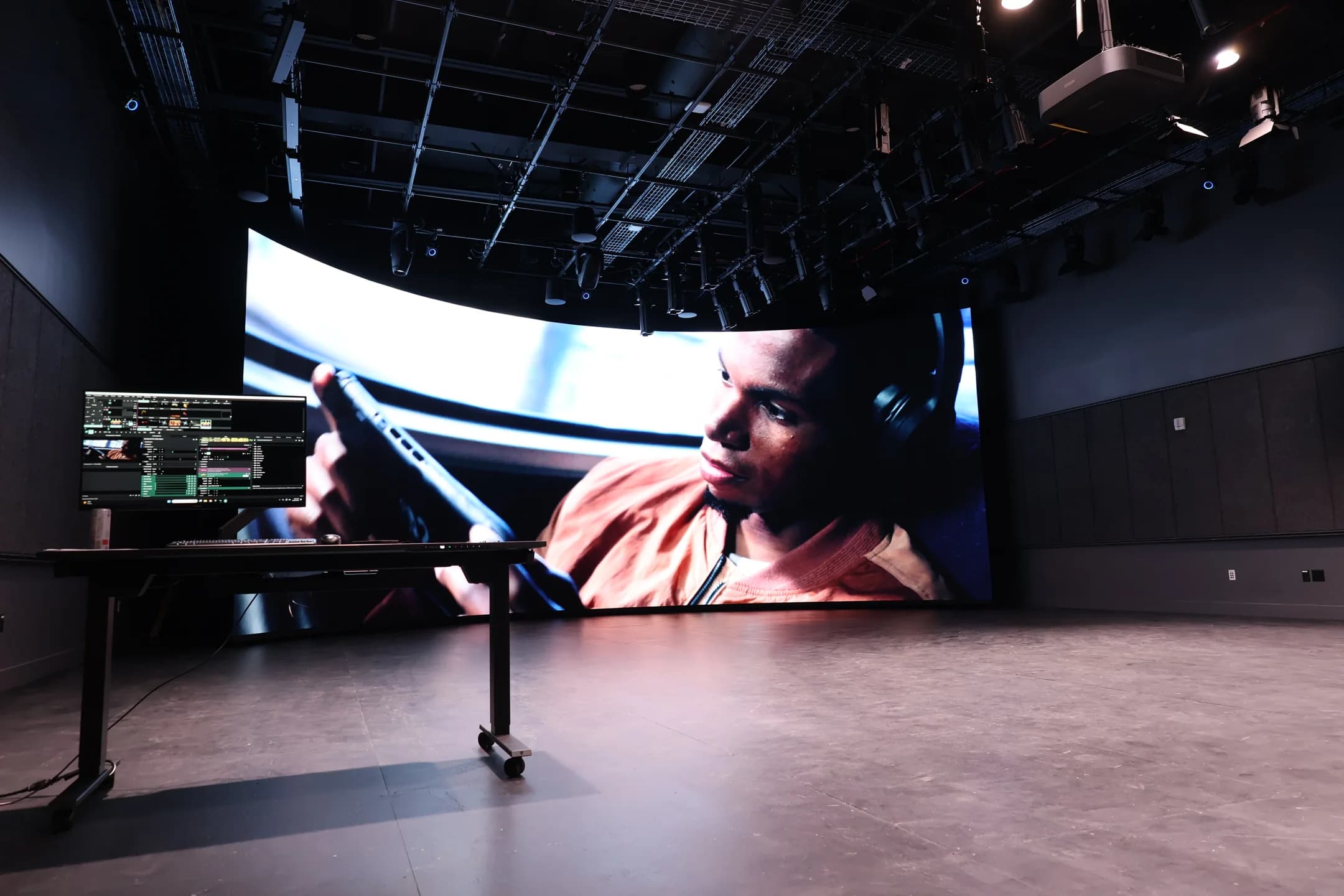
An LED teaching studio for the film program grew into a second collaboration at the Tannenbaum Center, where students can work with virtual production and motion capture in the same room.

Higher education
We work with faculty and campus staff to design LED stages, motion capture labs and immersive classrooms around the courses they teach. Once the room opens, we stay involved with hands-on training, troubleshooting and support as new people and programs start using it.
We start with the work your department needs to do. For a research lab, that might mean mapping the area where a participant will move. For a teaching space, it might mean checking what students can see from the back row. Those decisions guide the layout, specifications, and budget.
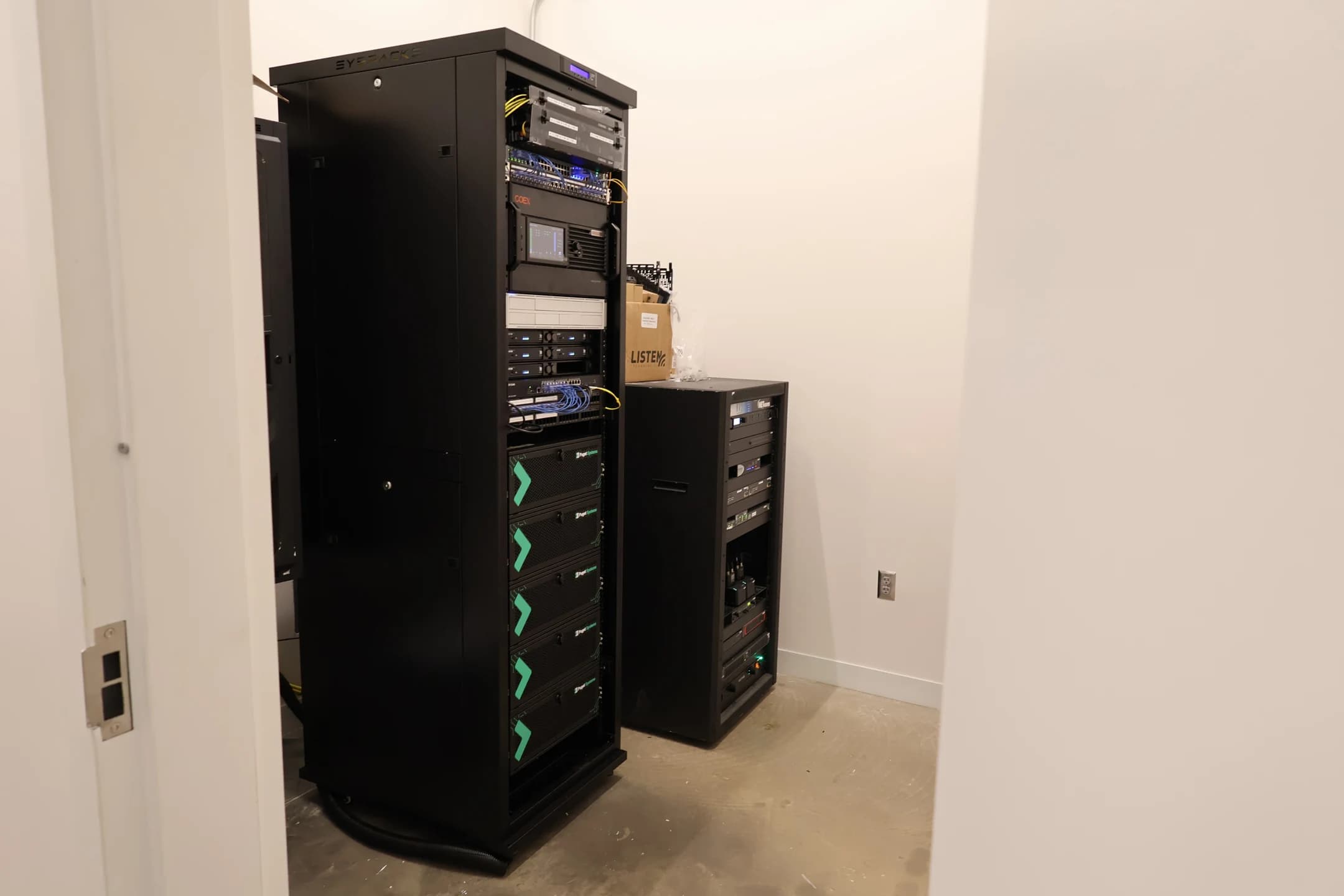
Buy individual components, upgrade an existing system, or equip a whole room. We quote LED panels and processors, capture cameras, media servers, and workstations against your requirements. We identify what you can reuse and break out purchases to match funding phases.
We coordinate mounting, power, and networking with facilities and campus IT. Once the hardware is in place, we calibrate the cameras or display and test the whole path, from a recorded movement to a data export or from a lecturer’s workstation to the LED wall.
Bring a lesson, scene or research trial to the workshop. Your team runs it on the installed system with us, practicing camera calibration, switching content and resetting the room for the next group.
When tracking drifts or a scene plays differently on the wall, we help your operators find the cause. As staff change and new courses come online, we work with you to train the next group and try new uses for the room.
Film students can shoot a forest at dawn and an invented city at night in one class. With the location on the LED wall, they can hold the light for another take or return a week later to shoot a matching close-up.
Students can block out a level, play through it at room scale and see where a player misses a cue. An animation class can bring a recorded performance into the same game engine and refine how a character moves.
A kinesiology lab can record a walking trial and compare stride patterns in its analysis software. We plan camera coverage around the participant’s path and work with researchers on calibration and repeatable data collection.
Athletics staff can bring several teams through one studio on media day, switching school graphics between portraits, interviews and recruiting videos. A sports science group can use motion capture to study an athlete’s jump or change of direction.
An archaeology instructor can lead a class through a reconstructed site and pause at a doorway to discuss what the evidence shows. With Volumate, faculty can prepare a 360° scene before class and bring it up on the room display.
Scenic designers can build a digital backdrop and rehearse the transition from a kitchen to a street as the actors cross the stage. Stage managers can practice the cue with the lighting crew and check the view from the back row.
In this 77-second case study, see how the team worked with faculty and staff on the LED and motion capture systems installed at the Tannenbaum Center.
“Form Volumes made everything clear without ever being pushy. That made all the difference.”
Kevin Wells, Senior Lecturer, UNCG Department of Media Studies
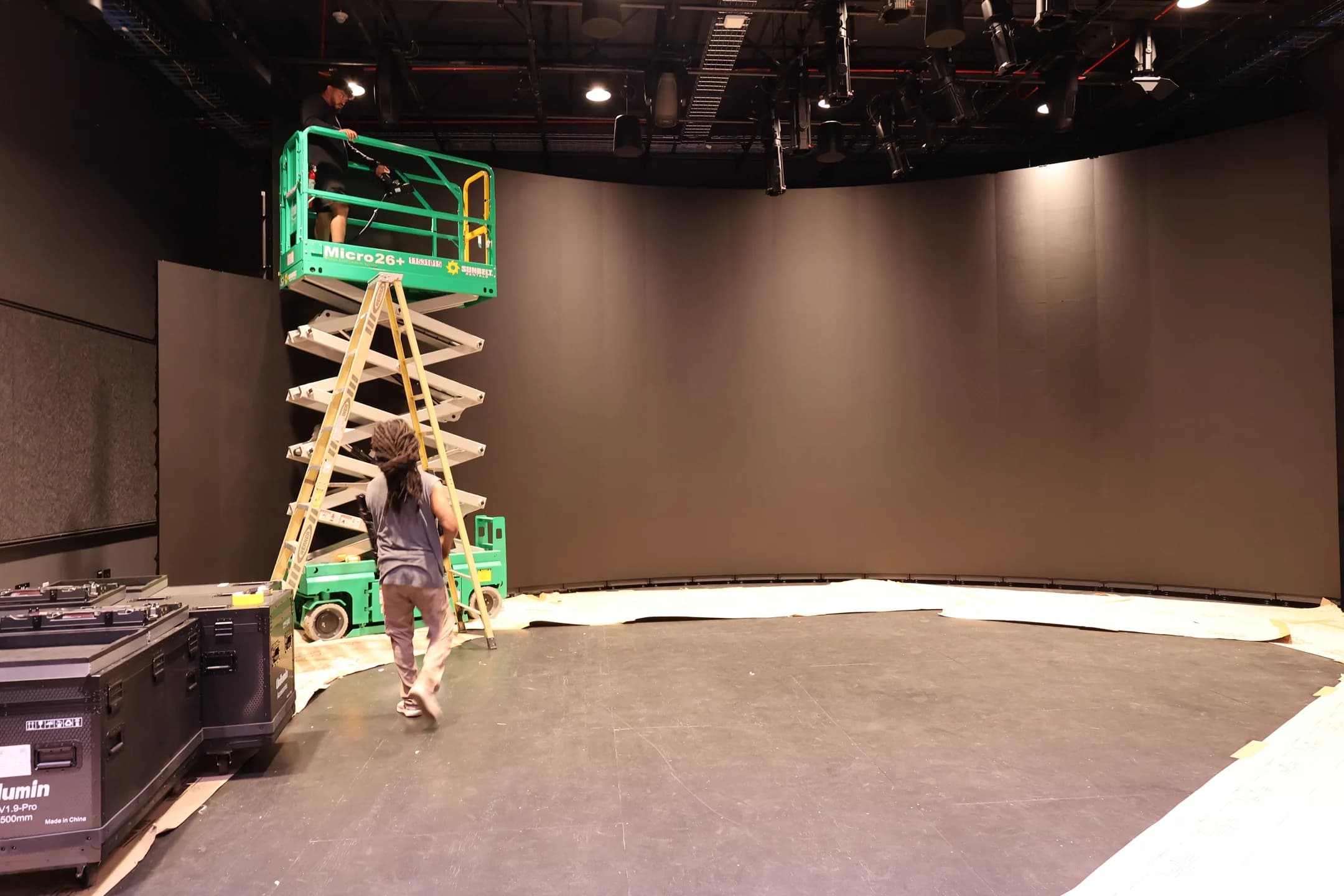
An LED teaching studio for the film program grew into a second collaboration at the Tannenbaum Center, where students can work with virtual production and motion capture in the same room.
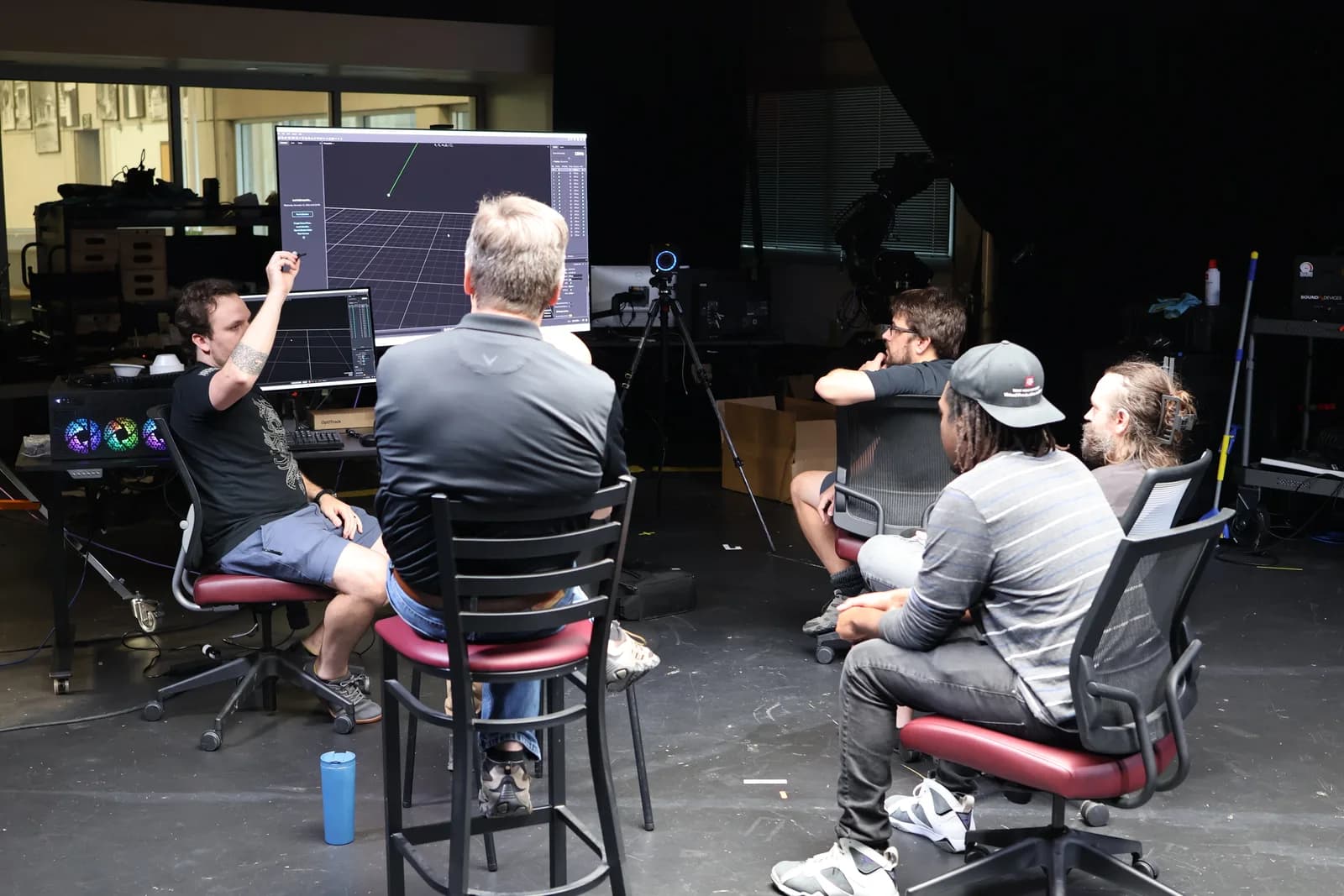
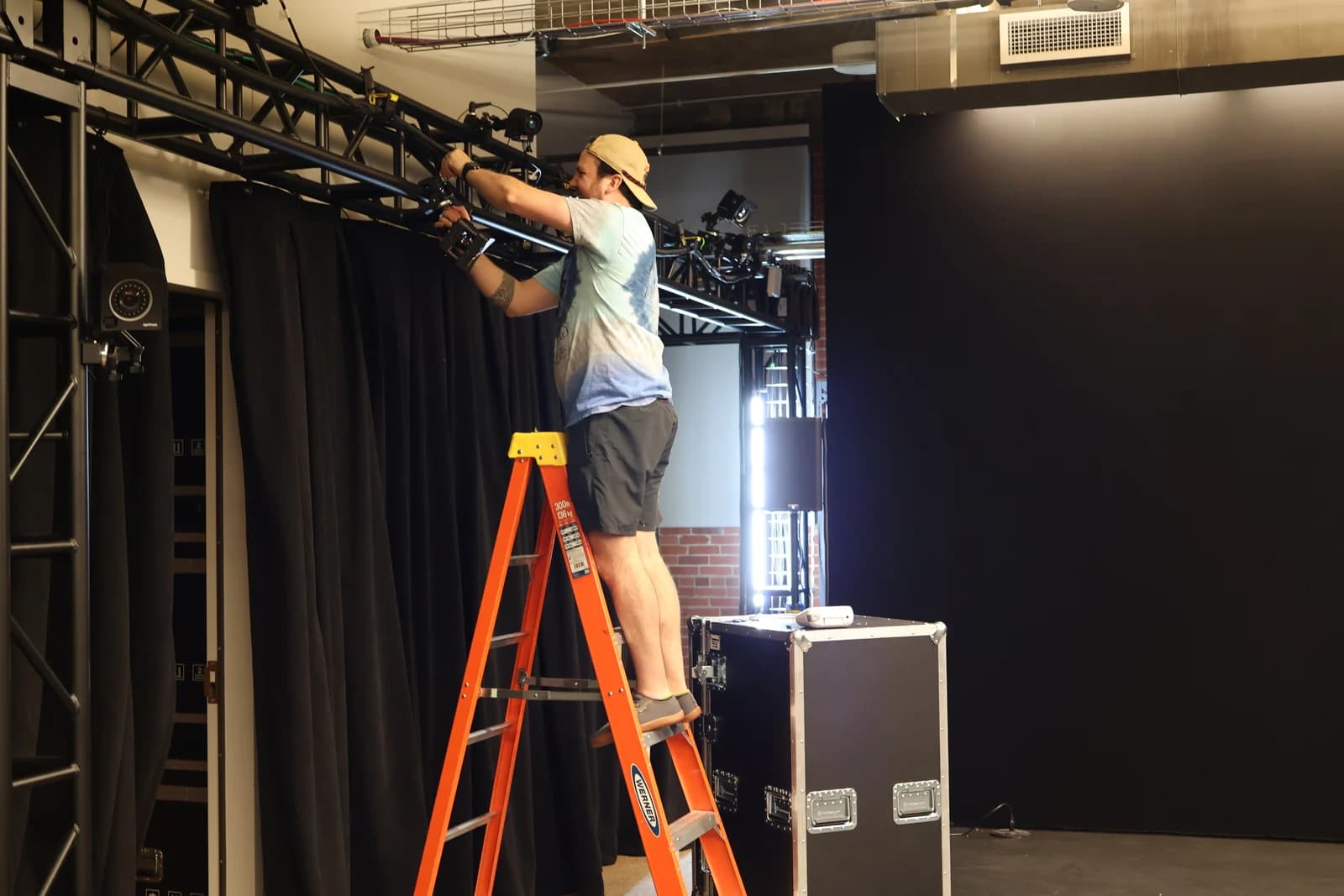
A 20-camera OptiTrack installation with Captury gives the team a markerless capture workflow alongside optical motion capture.
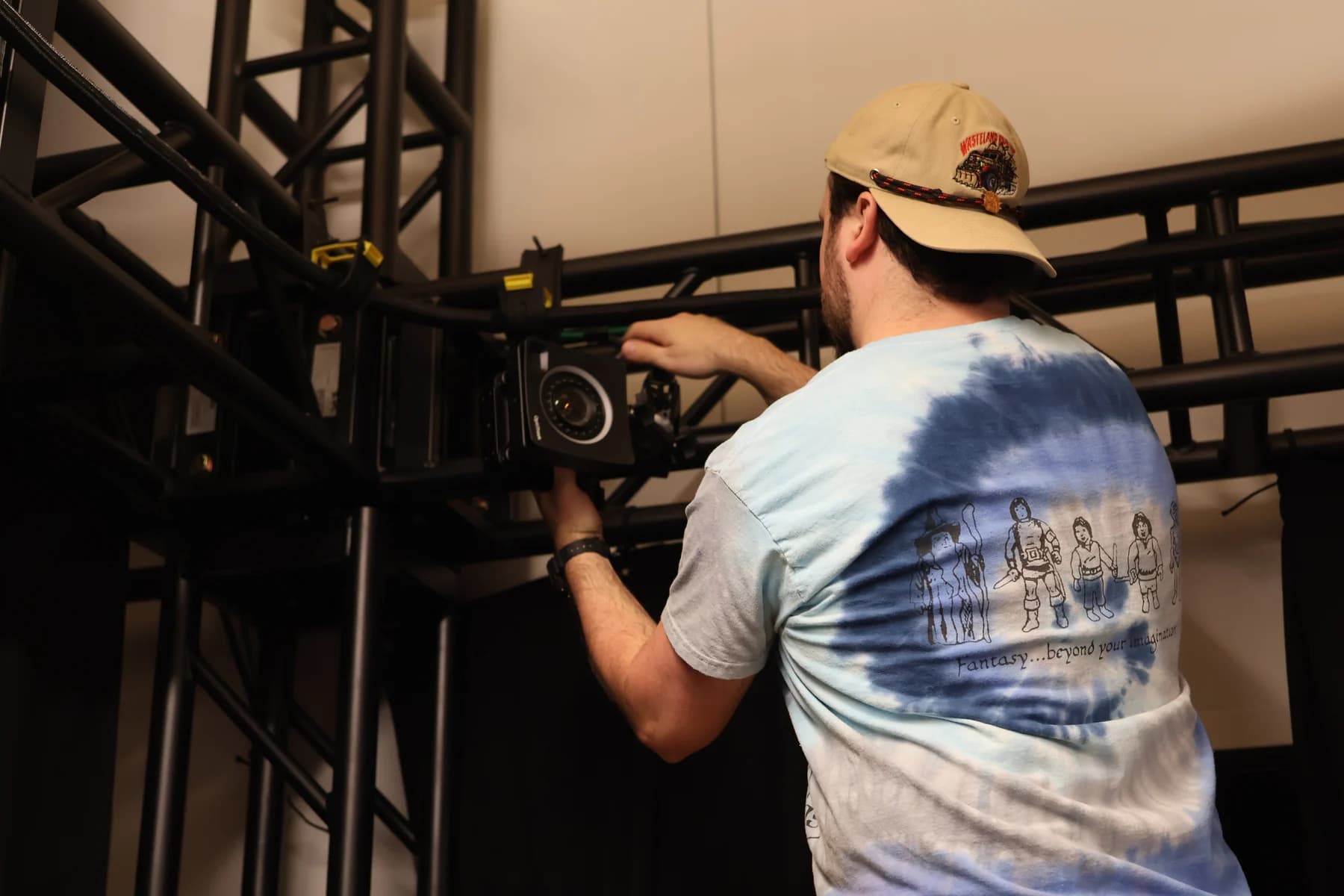
An optical capture space with OptiTrack cameras mounted around the overhead truss. Camera angles and overlapping views define where performers can move.

A dedicated LED stage gives athletics staff a repeatable setup for media-day portraits, recruiting videos, and social content.
Bring us in while you are defining the room or budget. We can work with your program lead, facilities, IT, and campus AV to review room dimensions, power, mounting, network needs, and who will operate the system.
We provide a scoped quote and can supply purchasing documents such as a W-9 and insurance information. Share your procurement requirements, funding timeline, and academic calendar early so we can plan the scope and any phases around them.
We review existing cameras, trackers, computers, and software before specifying new equipment. At UNC Greensboro, the department reused much of its green screen equipment when it moved to an LED workflow.
We plan training with the faculty, technicians and lab managers who will operate the room. After the initial workshop, we can revisit a workflow, troubleshoot an issue with your staff or train a new instructor before their first class. We agree on the support and training scope with your university.
Share what you want to teach, study, or produce and what hardware you already have. We can help you choose a single component, plan a complete installation, or expand an existing lab.